Growing Doomsday Cantaloupe Seeds
This page is about growing doomsday cantaloupe seeds. It gives information on growing and storing cantaloupe during a doomsday event. It gives recommendations on what variety of cantaloupe to grow and where to purchase premium seeds.
Subscribe to our Newsletter by filling out the form below.
How to grow doomsday cantaloupe seeds
Are you ready to take your gardening skills to the next level by growing Doomsday Cantaloupe seeds? The unique and resilient properties of cantaloupe make it not only fascinating to grow but also cantaloupe is packed with nutrients to sustain you in times of need. Let's dive into the essential steps for successfully growing these special seeds.
Choosing the Right Location
When it comes to planting Cantaloupe seeds, location is key. These seeds thrive in well-drained soil with plenty of sunlight. Aim for a spot in your garden that receives at least 6-8 hours of sunlight per day. Additionally, ensure that the soil is rich in organic matter to support the growth of these hardy plants.
Preparing the Soil
Cantaloupe plants thrive in well-draining, nutrient-rich soil. Before planting your seeds, prepare the soil by mixing in compost or aged manure to provide essential nutrients for the growing plants. Ensure that the soil has a pH level between 6.0 and 6.8, which is ideal for cantaloupe cultivation.
Planting the Seeds
Plant cantaloupe seeds directly into the ground once all danger of frost has passed. Create small mounds in the soil and plant 2-3 seeds per mound, spacing them about 18 inches apart. Water the seeds gently after planting to ensure good soil contact.
Providing Proper Care
Cantaloupe plants require consistent watering throughout the growing season. Keep the soil evenly moist, especially during hot, dry periods. Additionally, apply a balanced fertilizer every 3-4 weeks to promote healthy growth and fruit development.
Managing Pests and Diseases
Keep an eye out for common pests such as aphids, cucumber beetles, and spider mites, which can damage cantaloupe plants. Consider using natural pest control methods or insecticidal soap to protect your plants. Additionally, prevent diseases such as powdery mildew by ensuring good air circulation around the plants.
Harvesting the Fruit
Cantaloupe is typically ready for harvest 70-90 days after planting, depending on the variety. Look for signs of ripeness such as a sweet aroma, golden color under the netting, and a slight softness at the blossom end. Use a sharp knife to cut the fruit from the vine, leaving a short stem attached.
Cantaloupe will last about 2 to 4 days unrefrigerated.
Growing doomsday cabbage seeds for nutrition
Cantaloupe, also known as muskmelon, is a delicious and refreshing fruit that is packed with essential nutrients. Let's explore the impressive nutritional value of this popular summer fruit.
Rich in Vitamin C
Cantaloupe is an excellent source of vitamin C, with one cup of diced cantaloupe providing about 97% of the recommended daily intake. Vitamin C is a powerful antioxidant that helps boost the immune system and promote healthy skin.
High in Vitamin A
Another key nutrient found in cantaloupe is vitamin A. This fruit is rich in beta-carotene, a precursor to vitamin A, which is essential for maintaining healthy vision, skin, and immune function.
Good Source of Potassium
Cantaloupe is a great source of potassium, an important mineral that helps regulate blood pressure, muscle contractions, and fluid balance in the body. A one-cup serving of cantaloupe contains approximately 14% of the recommended daily intake of potassium.
Hydrating Properties
With its high water content, cantaloupe is a hydrating fruit that can help keep you cool and refreshed, especially during hot summer days. Staying hydrated is essential for overall health and well-being.
Low in Calories
For those watching their calorie intake, cantaloupe is a great choice. This fruit is low in calories but high in essential nutrients, making it a nutritious and satisfying snack option.
How many to grow
Our goal is 2000 calories for one person for 365 days. If cantaloupe is all you have to eat. Hopefully there will be other things to eat. Cantaloupe provides some sweetness during a doomsday event.
One cup of cantaloupe contains about 60 calories. For one person for one day that would be about 34 cups of cantaloupe per day. I hope you love cantaloupe.
One cantaloupe has about 200 calories in it. To reach the 2000 calorie goal, you would need about ten cantaloupes a day. For one year you would need 3650 cantaloupes.
One plant will produce around 3. But I have seen them produce more. You will need to grow around 1300 plants for food, seed and trading.
It will take about 1/2 acre to plant this many cantaloupes.
It would be feasible to grow this many, but storing them might be a bit of a problem since you would need to dry most of it.
Varieties Recommended by david for growing doomsday cantaloupe seeds
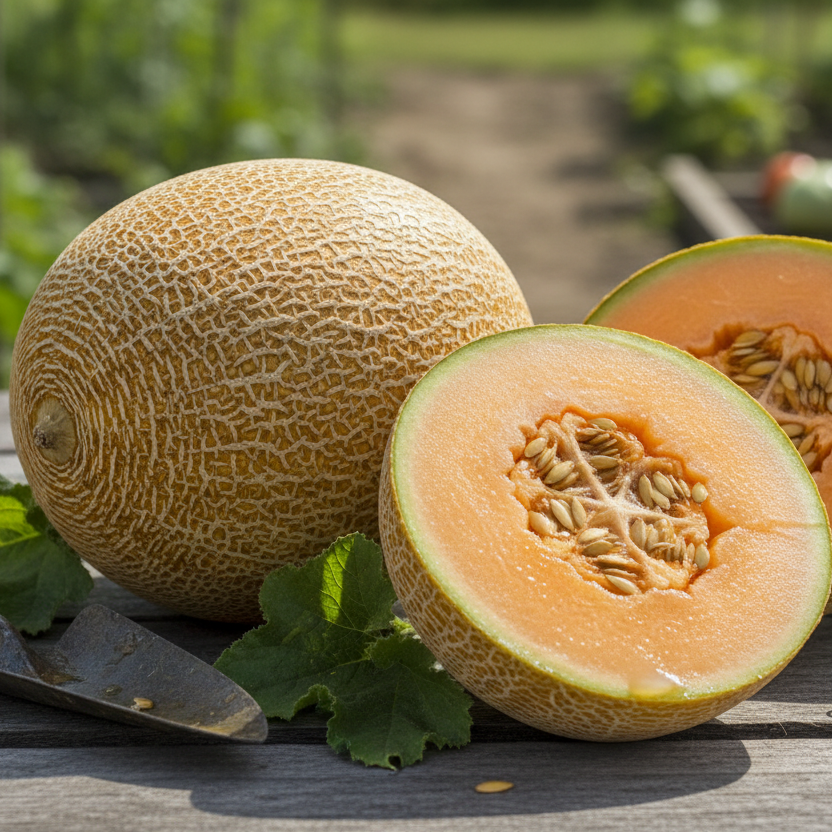
When it comes to cantaloupe, there are no of color types except yellow which are hybrids. From my research. So the best thing to do is to try to hide them as you grow them or plant so many that poachers will have their fill.
The other thing about cantaloupes is you have to open them and once they are opened, they have to be eaten quickly. If a poacher did find a off color cantaloupe, he would pitch which doesn't do the prepper any good.
David recommends Hearts of Gold and Minnesota Midget.
He chooses these because of their ease in growing.
There are many articles and videos on the internet that talk about growing, canning and storing cantaloupe. Look at them. Make your own collection of articles. If the instructions do not seem right, then go with your gut and find some that you do think are right and will work for you.
Read our article on Hiding a Doomsday Garden.
You can survive a doomsday event. But it will require prior planning and practice. You must practice your survival gardening skills long before a doomsday event takes place.
Go to Fruit Seed Index from Growing Doomsday Cantaloupe Seeds
Have A Great Story About This Topic?
Do you have some thoughts on what I have said? Feel free to share them. Be honest. If you think I am right, say so. If you think I am wrong, say so as well. If you have a specific question, email me at davidsgardenseeds@outlook.com.
Since 2009, over 1,500,000 home gardeners, all across the United States of America, have relied on David's Garden Seeds® to grow beautiful gardens. Trust is at the heart of it. Our customers know David's Garden Seeds® stocks only the highest quality seeds available. Our mission is to become your lifetime supplier of quality seeds. It isn't just to serve you once; we want to earn your trust as your primary supplier of seeds.