Growing Doomsday Kale Seeds
On this page can learn about Growing Doomsday Kale Seeds. Here you will learn about nutrition, planting, growing, harvesting and storing information on kale. There are several types of kale. For the purpose of this page, we will use Toscano Kale as our reference.
Growing and planting Doomsday Kale Seeds
Getting Your Kale Seeds Started
Kale is one of the most versatile vegetables to grow in a doomsday garden. It is heat and cool weather tolerant. Whether you're a first-time gardener or expanding your vegetable plot, kale thrives in cool seasons and produces nutrient-rich leaves for months. For the best results and if possible start seeds indoors 4–6 weeks before your last spring frost, or direct sow in late summer for a fall and winter harvest. Plant seeds about ¼ inch deep in moist soil, and they'll germinate in 7–10 days under warm conditions. Once seedlings develop their first true leaves, thin them to 12–18 inches apart to give each plant room to grow strong.
In a doomsday event, you can plant them closer together.
Growing and Planting Doomsday Kale Seeds
Kale prefers full sun—at least 6 hours daily—and well-draining, fertile soil rich in organic matter. Space transplants or thinned seedlings 12–18 inches apart in rows 18–24 inches wide. Water consistently, providing about 1–1.5 inches per week through rainfall or irrigation. Kale is a cool-season crop that actually tastes sweeter after a frost, so it's perfect for fall and winter growing. Mulch around plants to retain moisture and keep soil cool. Feed every 3–4 weeks with a balanced fertilizer or compost to support steady leaf production.
These are the basic instructions for growing. In a doomsday event, you may not be able to do all of these things. Kale itself makes a good compost.
Harvesting at Peak Flavor
Begin harvesting when outer leaves are 8–10 inches long—usually 50–65 days after transplanting. Pick leaves from the bottom of the plant first, working upward. This encourages the plant to keep producing new leaves at the center. You can harvest a few outer leaves regularly or remove the entire plant at once; either way, kale is generous. Morning harvests, after dew dries, yield the crispest, most tender leaves. Keep harvesting throughout the season to encourage bushier growth and extend your supply.
You will want to stagger your plantings so they will not all be ready to be harvested at the same time. You will need to give yourself so drying time.
Storing Kale
The only way I know how to store kale in a doomsday event, is to dry it and make kale chips.
Troubleshooting Common Issues
Kale is fairly pest-resistant, but watch for cabbage worms and flea beetles, especially in spring. Yellowing lower leaves are normal as the plant matures; simply remove them. If leaves look pale, add nitrogen-rich fertilizer or compost. Kale rarely suffers from serious diseases, but ensure good air circulation and avoid overhead watering to prevent fungal issues.
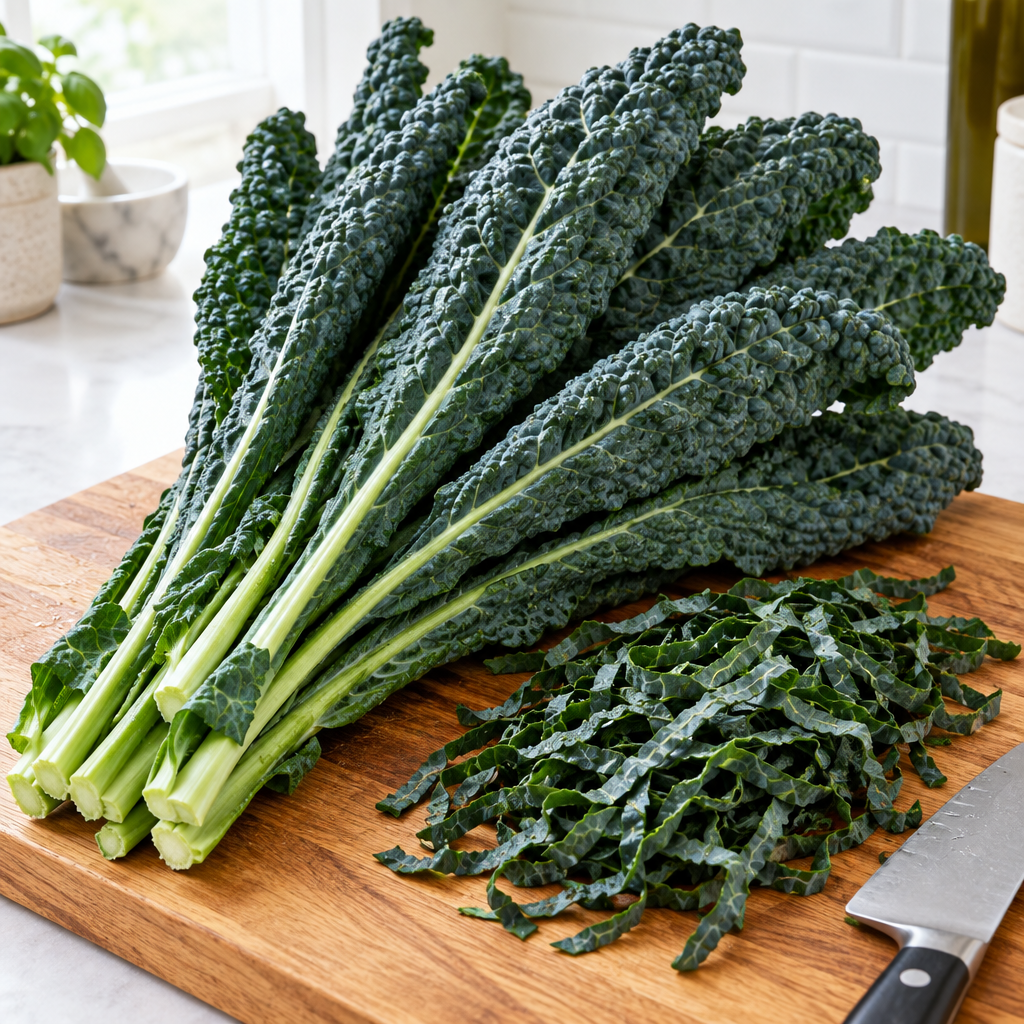
Nutritional Information of Growing Doomsday Kale Seeds
Nutritional Information of Growing Doomsday Kale Seeds
Applies to harvested raw kale, not planting seeds. Per 1 cup, approximately 67g:
- Calories: 33
- Protein: 2.9g
- Total Carbohydrate: 6.7g
- Dietary Fiber: 1.3g
- Vitamin A: 206% Daily Value
- Vitamin C: 134% Daily Value
- Vitamin K: 684% Daily Value
- Calcium: 9% Daily Value
- Iron: 6% Daily Value
*Percent Daily Value is based on a 2,000-calorie diet. Nutritional values are estimates for harvested kale.
On a 2,000‑calorie diet, you’d need to eat about 63 cups of kale a day. At that point, I’d be worried you might start mooing — that’s basically cattle territory.
But it would be good to supplement your daily food intake with a few Toscano Kale Chips which could be taken to the field you are working.
how many plants do you need
How Many Plants
How many plants would it take if Kale is all you have to eat for a year?
One plant will yield multile opprotunities for harvest since it will keep producting if allowed to grow.
This will be my best guess.
One plant, harvest at baby size, which is the best test, will produce at 4 cups of kale. At 4 cups you would need 16 plants. This would be about 5,800 plants but lets say 6,000 for seeds and pest/weather damage.
It is impossible to say exactly how many seeds each plant will produce but let's say 1000 which is probably on the low side. When plants are going to seed, you will want to guard them carefully because birds will be looking for them and can wipe your seed harvest out overnight. the best thing is to have a 24-hour guard.
You would only need about 1/4 of an acre to grow kales plants. Kale is one plant you could camouflage by planting in areas with natural vegetation growing since they will look like weeds to the untrained eye.
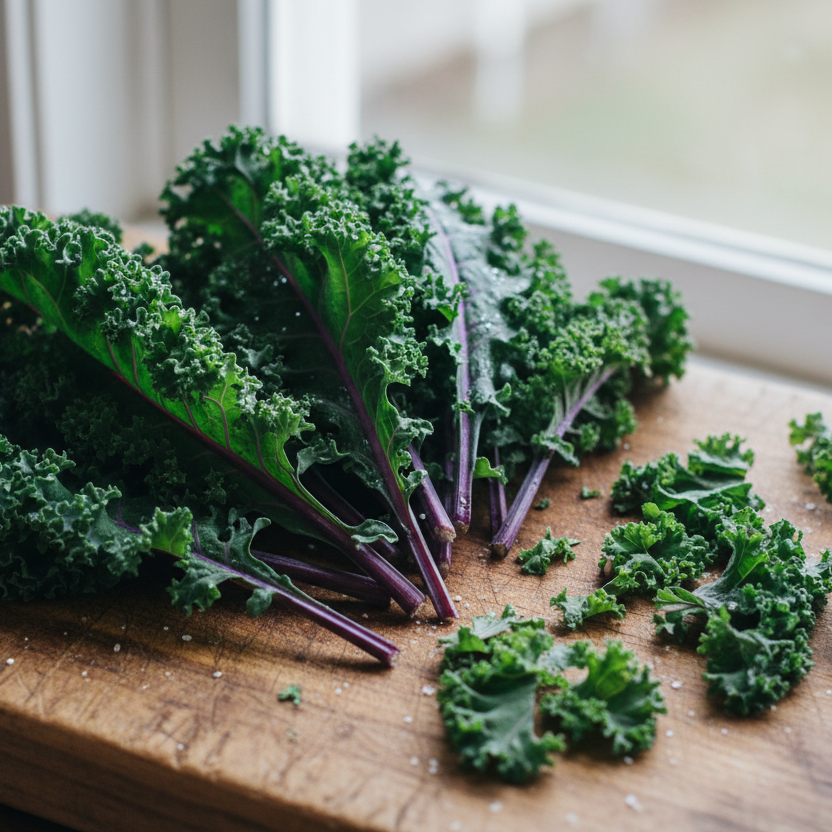


Buying Growing Doomsday Kale Seeds
When buying growing doomsday kale seeds you have several to choose from with a different color and a different leaf type.
David recommends the following:
Toscano which is probably the easiest to grow, hid and make into kale chips.
and
Red Russian which has red stems. They might fool someone into believing there is something wrong with them because of the red.
Read our page on Protecting your Resources.
You can survive a doomsday event but it requires planning, preparation and practice.
Act Before You Need It
A doomsday garden takes time to grow. Start yours today so it’s ready when life gets unpredictable.
You can find the seeds you need at David's Garden Seeds.
Go to Doomsday Seed Index from Growing a Doomsday Garden
Since 2009, over 1,500,000 home gardeners, all across the United States of America, have relied on David's Garden Seeds® to grow beautiful gardens. Trust is at the heart of it. Our customers know David's Garden Seeds® stocks only the highest quality seeds available. Our mission is to become your lifetime supplier of quality seeds. It isn't just to serve you once; we want to earn your trust as your primary supplier of seeds.