Growing Doomsday Leafy Greens Seeds
Here you will learn about Growing Doomsday Leafy Greens Seeds. Here you will learn about nutrition, planting, growing, harvesting and storing leafy greens.
Planting and Growing doomsday leafy greens
Mustard greens are a fantastic choice for home gardeners who want to add a peppery, nutrient-rich leafy green to their kitchen. Whether you're a beginner or an experienced grower, mustard greens are forgiving, fast-growing, and rewarding. This guide will walk you through everything you need to know to grow vibrant mustard greens in your garden.
Planting Mustard Greens
Mustard greens thrive in cool-season growing conditions, making them perfect for spring and fall gardens. You can direct seed them right into your garden bed or start seeds indoors and transplant seedlings later. Space seeds or seedlings about 6 to 12 inches apart, depending on the variety—closer spacing gives you smaller, tender leaves, while wider spacing produces larger plants.
Plant your seeds roughly a quarter-inch deep in well-draining soil rich in organic matter. Water gently after planting to keep the soil consistently moist until seedlings emerge, which typically takes 5 to 10 days.
Growing Conditions
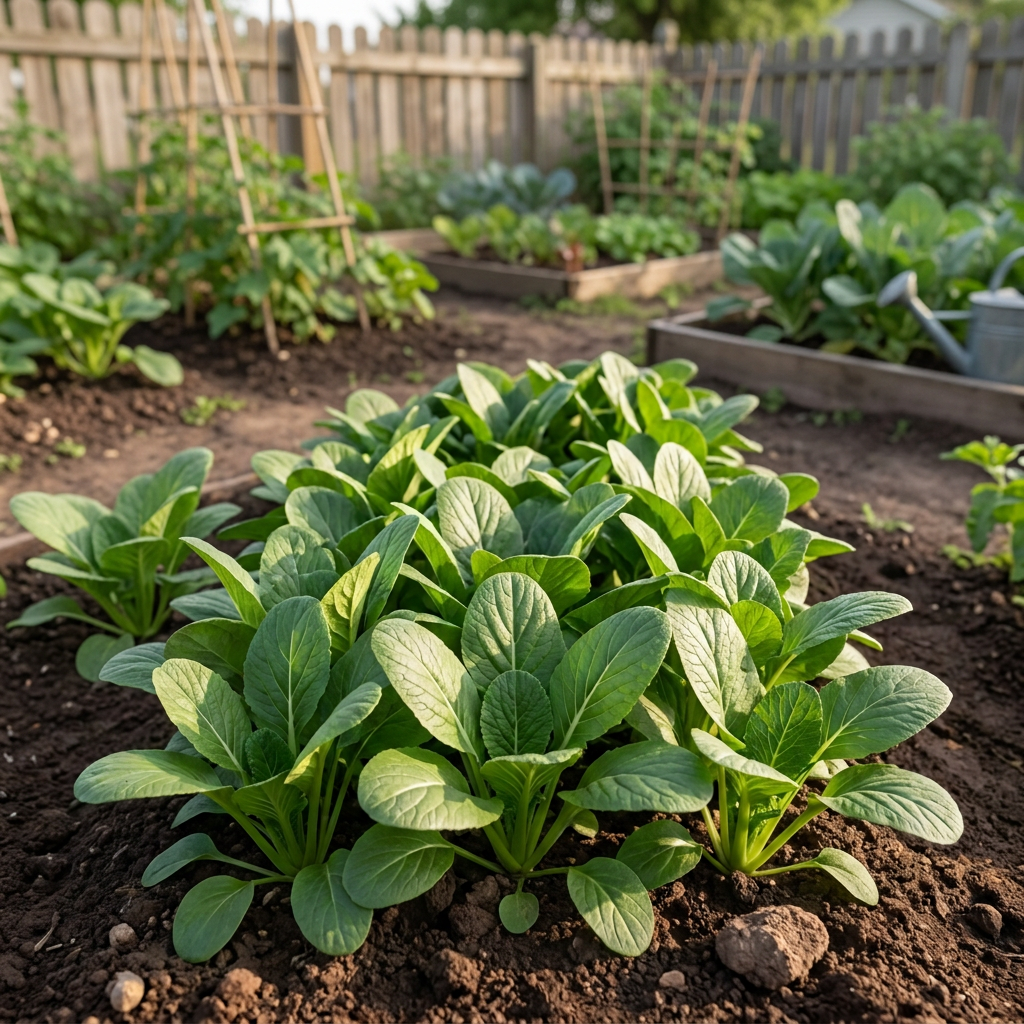
Mustard greens prefer full sun to partial shade and grow best when temperatures stay between 50°F and 70°F. They're cold-hardy and can tolerate light frosts, making them ideal for Texas fall and early spring planting. Keep the soil consistently moist but not waterlogged—aim for about one inch of water per week through rainfall or irrigation.
Feed your mustard greens with a balanced, nitrogen-rich fertilizer every two to three weeks to encourage leafy growth. Mulching around plants helps retain soil moisture and keeps roots cool during warmer spells.
Harvesting Your Greens
Most mustard green varieties are ready to harvest in 30 to 50 days, depending on the cultivar and growing conditions. You can pick individual outer leaves once plants reach 4 to 6 inches tall, or wait and harvest the entire plant by cutting it just above soil level. Continuous harvesting of outer leaves encourages the plant to produce more foliage.
For the most tender, mild leaves, harvest in the morning after dew has dried. Younger leaves tend to be less spicy, while mature leaves pack more of that classic mustard bite.
Common Pests and Solutions
Watch for flea beetles and cabbage worms, common pests on brassicas like mustard greens. Row covers placed over young plants offer excellent protection. If pests appear, insecticidal soap or neem oil can help control light infestations without harsh chemicals.
Cooking with Fresh Mustard Greens
Once harvested, mustard greens are delicious sautéed with garlic and olive oil, added raw to salads for a peppery kick, or braised as a classic Southern side dish. Their bold flavor complements soups, stir-fries, and grain bowls beautifully.
Growing your own mustard greens means enjoying peak freshness and flavor that store-bought greens can't match. Plant a batch this season and discover why gardeners love this quick, reliable crop.


Nutritional Information for Growing Doomsday Leafy Greens Seeds
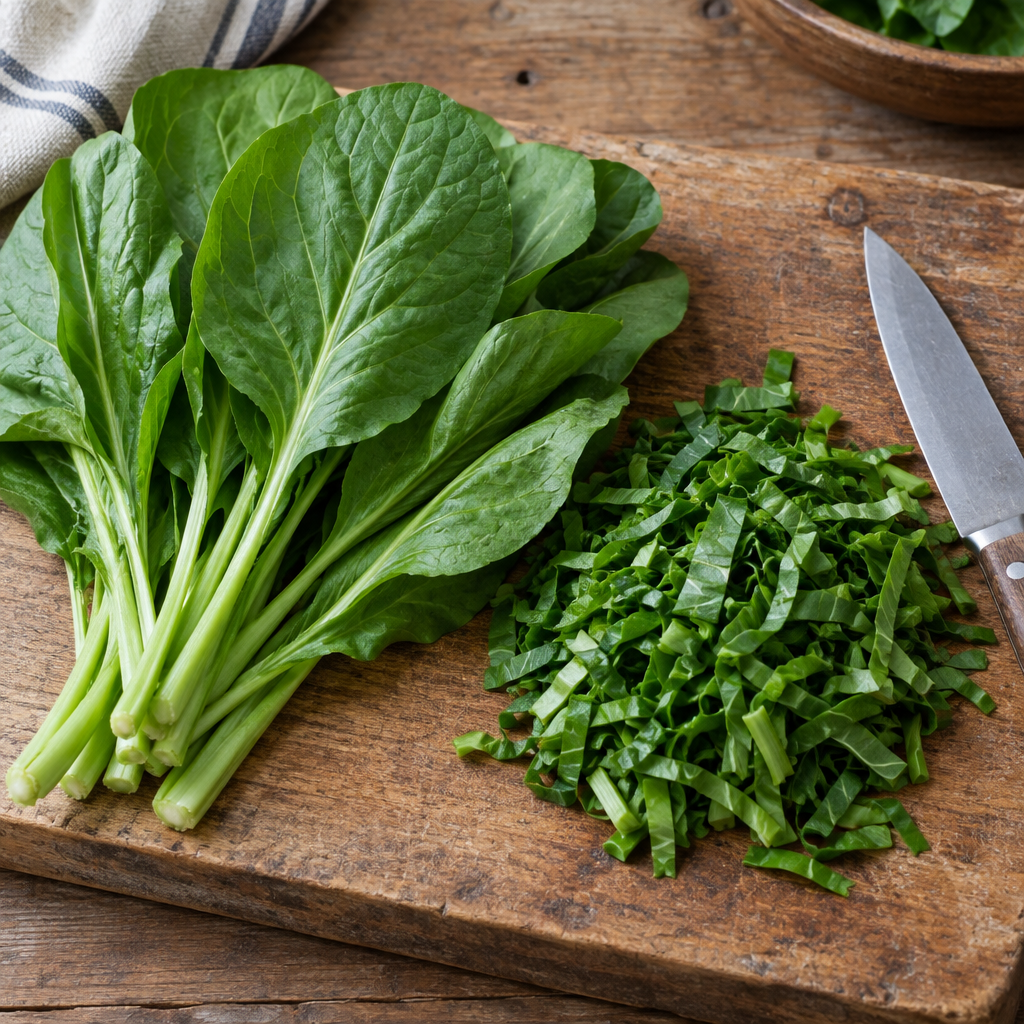
Mustard greens bring more than flavor to your plate. Their harvested leaves provide dietary fiber and a range of vitamins and minerals, making them a useful addition to a varied diet.
- Vitamin K: Supports normal blood clotting and contributes to bone health.
- Vitamin C: Supports normal immune function and helps the body absorb iron from plant foods.
- Vitamin A: Mustard greens contain provitamin A carotenoids, which the body can convert to vitamin A to support normal vision and immune function.
- Dietary fiber: Adds fiber to meals and supports normal digestive function.
- Minerals: The leaves contribute minerals such as calcium and potassium as part of a balanced diet.
How many Growing Doomsday Leafy Greens Seeds do you need?
For the purpose of this page on Growing Doomsday Leafy Greens, we talk about how much you need to grow, for one person, for one year if mustard greens is all you had to eat.
One cup of chopped, raw greens will provide about 15 calories. On a 2000 calorie diet, that is 124 cups a day.
I think we can stop here and say this is not a good crop to grow in a doomsday environment.
It is also not a good crop for animals.
You may just want to grow a few for variety and to make mustard chips.
Mustard greens have a spicy flavor, but other greens, like Pac Choi do not. These are easy to Grow and farm animals can eat them.
But like mustard greens it takes a lot to get to 2000 calories so they may be good to grow for variety more than sustainability.
The two leafy greens mustard that David recommends are the:
and
Read our page on Protecting your Resources.
You can survive a doomsday event but it requires Planning, Preparation and Practice.
Act Before You Need It
A doomsday garden takes time to grow. Start yours today so it’s ready when life gets unpredictable.
You can find the seeds you need at David's Garden Seeds as well as many helpful gardening articles.
Go to Seed Index from Growing Doomsday Leafy Greens Seeds
Since 2009, over 1,500,000 home gardeners, all across the United States of America, have relied on David's Garden Seeds® to grow beautiful gardens. Trust is at the heart of it. Our customers know David's Garden Seeds® stocks only the highest quality seeds available. Our mission is to become your lifetime supplier of quality seeds. It isn't just to serve you once; we want to earn your trust as your primary supplier of seeds.