Your Headline
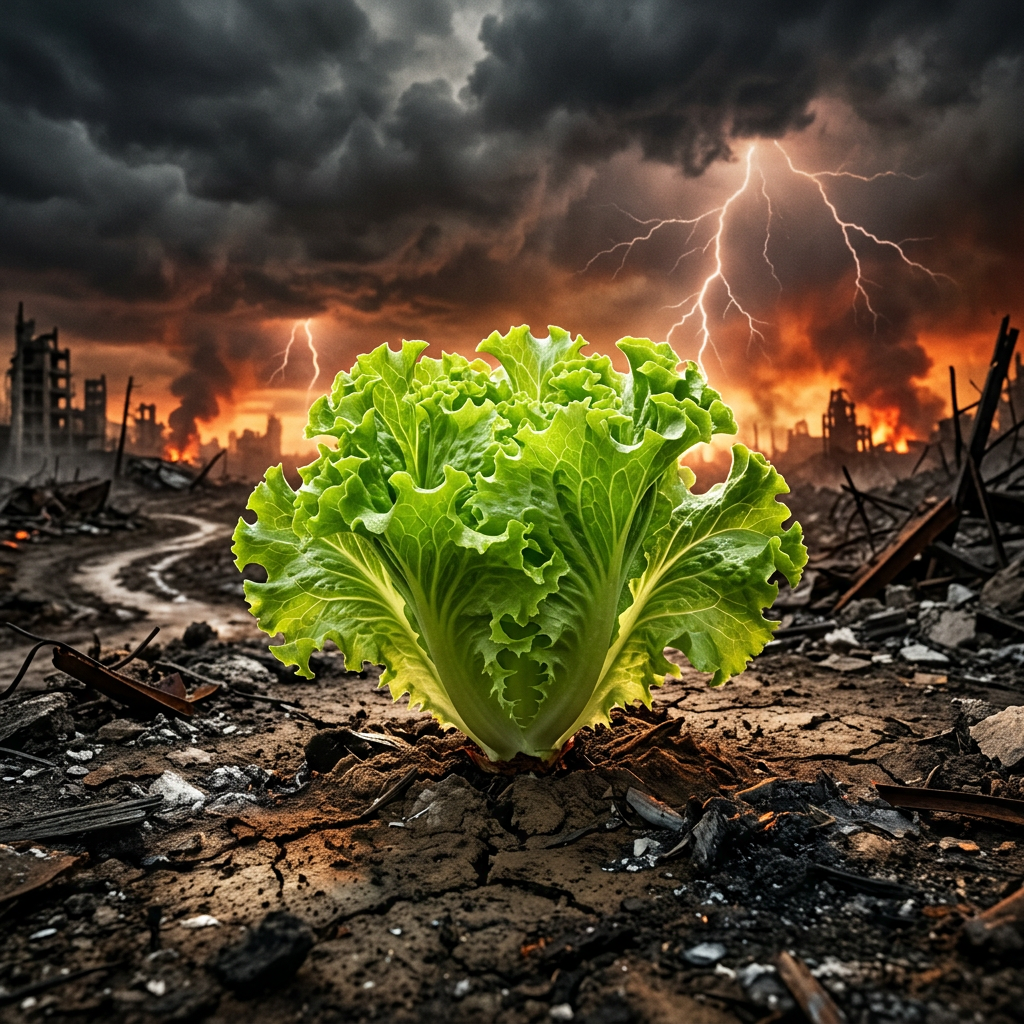
Now you can learn about Growing Doomsday Lettuce Seeds. This page gives information on nutrition and growing lettuce seeds in a doomsday event.
We will give information on how much to grow from 1 person for 1 year for a 2000 calorie diet.
Growing lettuce is a rewarding way to bring fresh greens from your garden to your table. Whether you prefer tender butterhead, crunchy romaine, colorful loose-leaf, or crisp iceberg, success starts with cool growing conditions, consistent moisture, and a variety suited to your season.
Before planting, explore our guides to germination, soil testing, and soil temperature. These basics can help you prepare a better seedbed and avoid common seed-starting problems.
Choose Your Lettuce Type
- Loose-leaf: Produces open clusters of leaves in green, red, and mixed colors. Harvest outer leaves as needed while leaving the growing center intact.
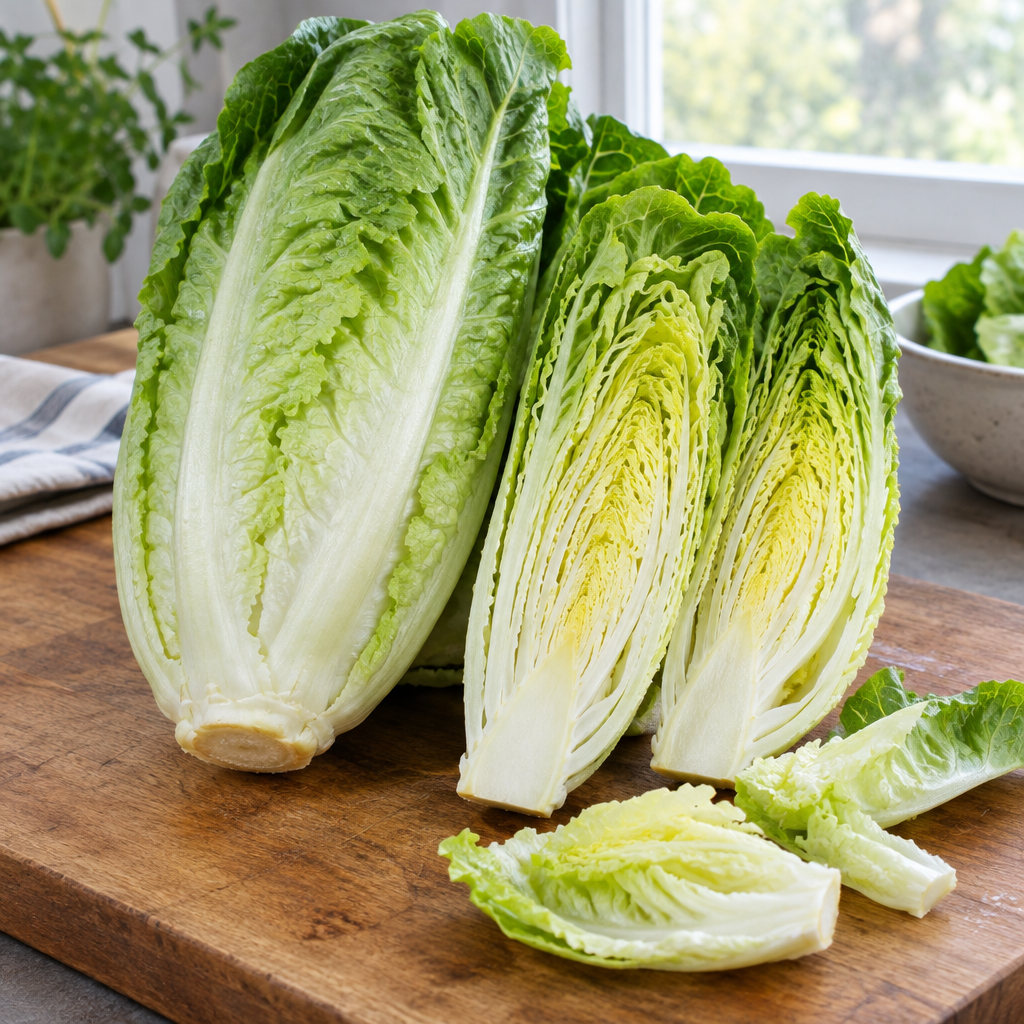
- Romaine: Grows upright with sturdy ribs and crisp leaves. Pick individual outer leaves or harvest the mature head.
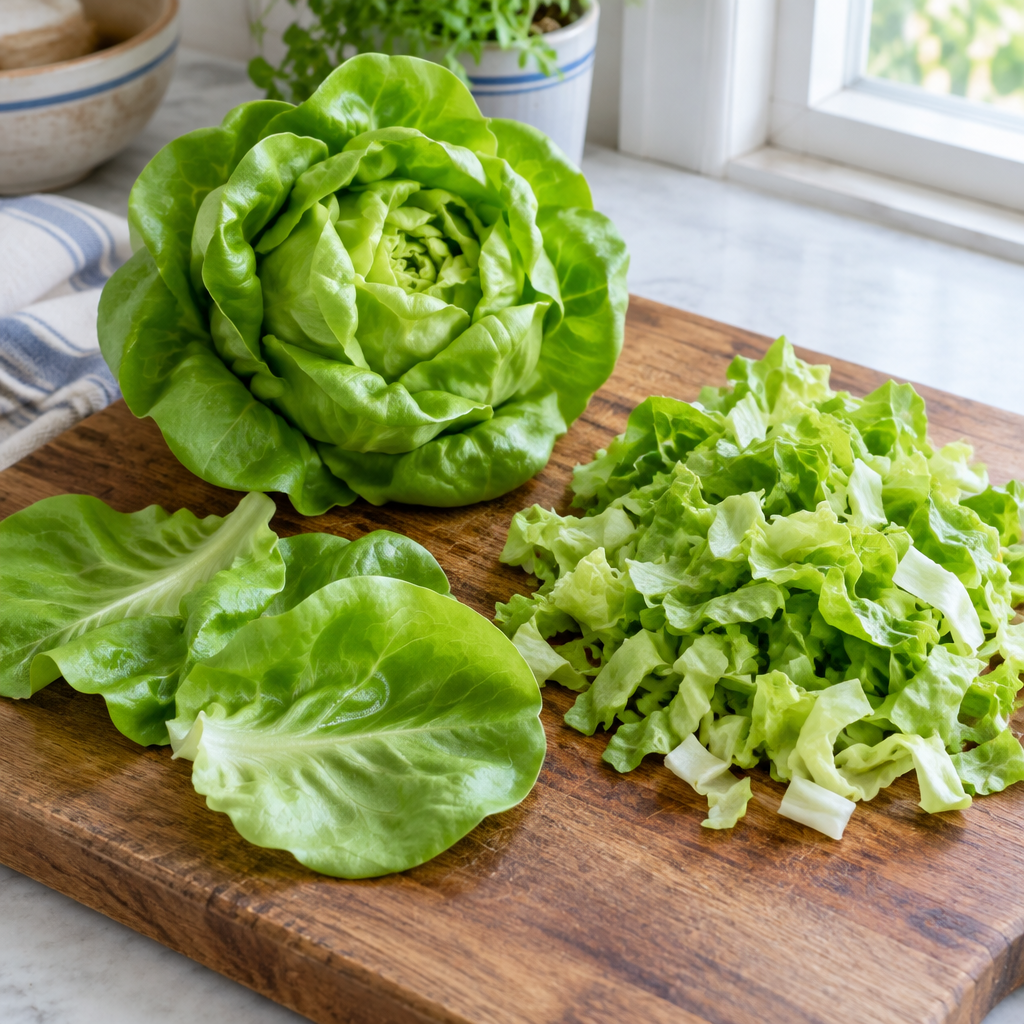
- Butterhead: Forms loose heads with soft, tender leaves, ideal for salads and lettuce cups.
- Iceberg or crisphead: Develops firm heads and needs a sustained period of favorable cool weather to perform well.
- Summer crisp: Can help extend the season into warmer weather, depending on the variety. Heat tolerance does not mean it will thrive in extreme heat.
When to Plant Lettuce
Lettuce is a cool-season crop. Mild spring and fall weather generally offers better conditions than hot summer weather. In Texas, the best planting window varies considerably by region, so combine local planting guidance with the directions on your seed packet.
For many varieties, soil temperatures around 60–68°F are favorable for germination. Germination can slow or become unreliable as the soil gets hot. If outdoor soil is too warm, start seeds in a cooler indoor location with adequate light and move seedlings outside when conditions improve.
Plant small batches every two to three weeks while growing conditions remain suitable. This succession planting helps spread your harvest over time. Allow extra growing time as fall days shorten.
Prepare the Soil or Container
Choose well-drained soil and work in finished compost before planting. A soil test can help guide fertilizer decisions. For containers, use a quality potting mix and a pot with drainage holes rather than dense garden soil.
Provide good light during cool weather. As temperatures rise, afternoon shade or shade cloth may help reduce stress, but neither can fully overcome extreme summer heat.
Sowing Doomsday Lettuce Seeds
Direct Sowing Doomsday Lettuce Seeds
Sow seeds shallowly, generally about 1/8 inch deep unless your seed packet directs otherwise. Firm the surface gently and water carefully so you do not wash the tiny seeds out of place. Keep the surface evenly moist until seedlings establish.
Thin plants according to the variety and intended harvest size. Full-size romaine and iceberg often need about 10–12 inches between plants, while other heading types commonly need about 8–10 inches. Baby-leaf plantings can be closer. Follow your packet's spacing guidance when it differs.
If using pelleted seeds, keep the seedbed consistently moist so the coating can break down. Do not assume every pelleted seed has also been primed; follow the information supplied for that seed lot.
Starting and Transplanting Seedlings
Start seeds in clean containers filled with seed-starting mix. Sow two or three seeds per cell or small pot, then thin to a strong seedling. Give seedlings adequate light and monitor moisture daily rather than watering on a fixed schedule.
Plantable fiber pots can reduce root disturbance, but they may dry out quickly. Follow the manufacturer's planting directions and avoid leaving a dry rim exposed above the soil, where it can wick moisture away from the roots.
Before transplanting, gradually harden seedlings off. Introduce them to outdoor sun, wind, and temperature changes over about a week, adjusting for weather. Keep them watered without allowing severe wilting. Transplant during mild weather and water them in gently.
Cold tolerance varies by variety, plant maturity, and exposure. Do not rely on a single minimum temperature as a guarantee of survival. Protect plants when freezing weather is expected.
Watering, Feeding, and Seasonal Protection
Lettuce has shallow roots and benefits from consistent moisture. Check the soil frequently, especially in containers, and water before plants become severely stressed. Avoid keeping roots in waterlogged soil. Mulch around established plants can help conserve moisture.
Fertilize according to soil-test recommendations or the directions on a fertilizer labeled for vegetables. Avoid excessive feeding. During hot weather, harvest young leaves and watch for bolting, when the plant begins producing a flower stalk and leaves often become bitter.
Row covers and cold frames can extend the cool-weather season, but protection is limited during hard freezes. Vent covered spaces on warm, sunny days to prevent overheating.
Watch for Pests and Leaf Problems
- Aphids: Check leaf undersides and growing tips for clusters of small insects. A gentle spray of water may help dislodge them. Encourage beneficial insects and, if treatment is needed, choose a product labeled for lettuce and the identified pest.
- Slugs and snails: Look for ragged holes and slime trails. Remove hiding places near beds, hand-pick where practical, and follow label directions for any bait used around edible crops.
- Caterpillars: Inspect damaged leaves and remove caterpillars when practical. Identify the pest before selecting a control method.
- Tipburn: Brown leaf edges can result from a physiological problem involving calcium movement into developing leaves. Rapid growth and uneven moisture can contribute. Maintain steady watering and avoid assuming that adding calcium alone will solve it.
Not every wilted or discolored leaf has the same cause. Check soil moisture, roots, weather conditions, and pest activity before treating. Use garden products only as labeled, including any required interval before harvest.
How to Harvest and Store Lettuce
Harvest during the cool part of the day when possible. For loose-leaf lettuce, pick a few outer leaves without damaging the center. For mature heads, cut near the base with a clean knife. Do not count on another full head developing after harvest; sow new batches for a dependable supply.
Discard damaged or decaying leaves. Refrigerate harvested lettuce promptly, and rinse it under running water before eating. Dry leaves well for salads so dressing does not become diluted.


Nutritional Information for Growing Doomsday Lettuce Seeds
Lettuce provides fresh crunch with few calories. Nutrient content varies by type and serving size. The following estimates are for 1 cup of shredded raw romaine lettuce (47 grams), not lettuce seeds or the finished recipe.
- Calories: About 8.
- Total fat: About 0.1 gram.
- Carbohydrates: About 1.5 grams.
- Dietary fiber: About 1 gram, or 4% Daily Value.
- Protein: About 0.6 gram.
- Vitamin A: About 205 micrograms RAE, or 23% Daily Value.
- Vitamin K: About 48 micrograms, or 40% Daily Value.
- Folate: About 64 micrograms DFE, or 16% Daily Value.
- Potassium: About 116 milligrams, or 2% Daily Value.
Percent Daily Values are based on a 2,000-calorie diet. Other lettuce types have different nutrient profiles. Dressings, fillings, and toppings change the nutrition of a finished meal.
How many seeds for growing doomsday lettuce seeds
How many do you need for growing doomsday lettuce seeds?
Lettuce is not a good doomsday vegetable to grow. You may want to grow some for variety but at only 8 calories a cup, you would starve to death before you could grow enough to survive on. It is not worth the effort it would take to grow.
You can survive, unless it is the book of Revelation taking place. But that is a whole different scenario and requires a whole different preparation.
You will need to put the 3 Ps into place: Planning, Preparation and Practice.
Act Before You Need It
A doomsday garden takes time to grow. Start yours today so it’s ready when life gets unpredictable.
You can find lettuce seeds you need at David's Garden Seeds Lettuce.
Go to Prepper Page Index from Growing Domsday Lettuce Seeds
Since 2009, over 1,500,000 home gardeners, all across the United States of America, have relied on David's Garden Seeds® to grow beautiful gardens. Trust is at the heart of it. Our customers know David's Garden Seeds® stocks only the highest quality seeds available. Our mission is to become your lifetime supplier of quality seeds. It isn't just to serve you once; we want to earn your trust as your primary supplier of seeds.