Growing Doomsday Melon Seeds
This is our growing doomsday melon seeds. It talks about growing, how much to grow for one person for one year and how to store.

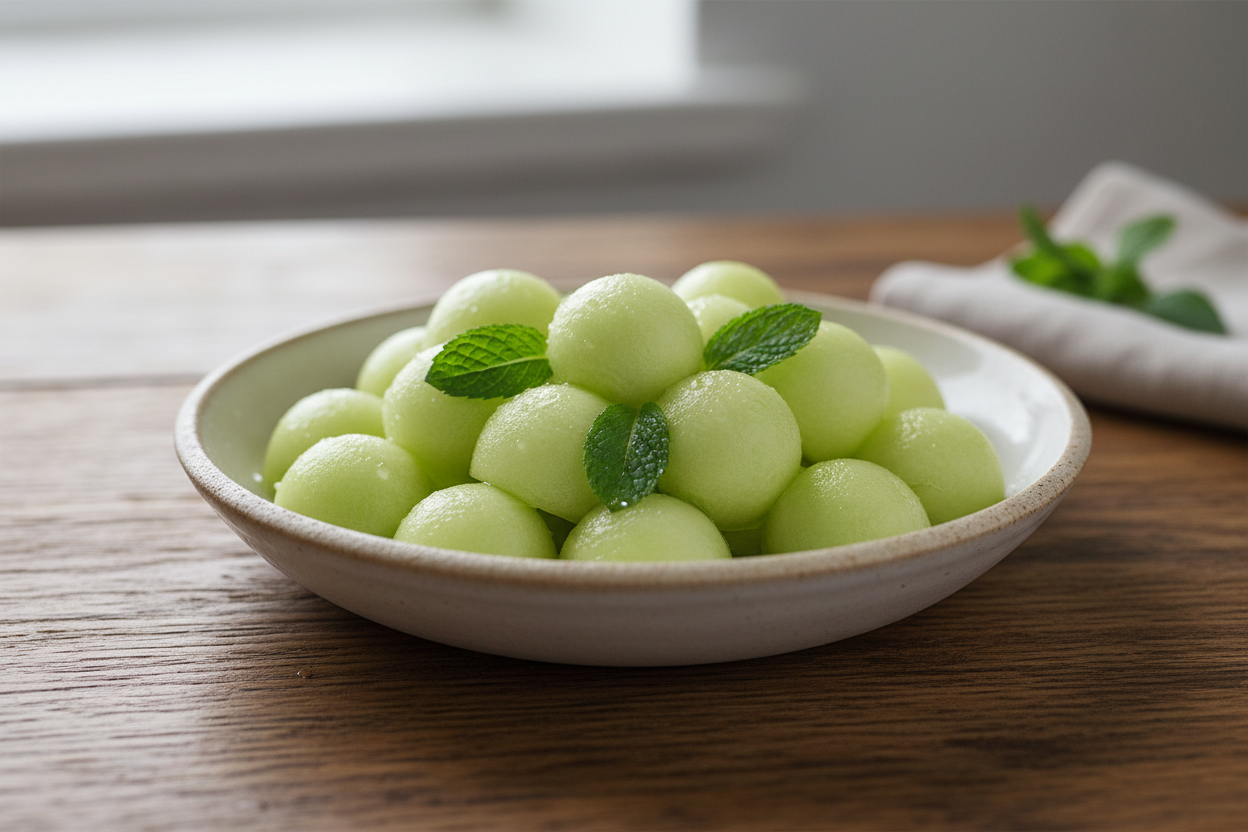
Growing melons from seed is one of the most rewarding experiences in a home garden. From crisp watermelons and fragrant cantaloupes to honeydew and specialty melons, these sun-loving plants can produce exceptional fruit when they receive steady warmth, room to grow, and consistent care.
Choosing the Right Melon Variety
Choose a variety suited to your climate, available garden space, and growing-season length. Many melons need approximately 70 to 100 frost-free days to mature, although the exact time varies by variety. Gardeners with shorter seasons should look for earlier-maturing selections or start seeds indoors. Compact varieties can work well in smaller gardens, while vigorous vines need considerably more space.
Preparing the Planting Area
Melons thrive in full sun and warm, well-draining soil enriched with compost or aged manure. Select a location that receives at least six to eight hours of direct sunlight each day. A soil pH between 6.0 and 7.0 is generally suitable. Raised beds or slightly mounded rows can help improve drainage and allow the soil to warm more quickly in spring. \
When to Plant Melon Seeds
Melon seeds germinate best when the soil is warm, generally between 70°F and 85°F. Direct sow only after the danger of frost has passed and the soil has warmed consistently. In cooler climates, start seeds indoors about three to four weeks before the expected transplanting date. Harden seedlings off gradually, then transplant them after frost danger has passed, nighttime temperatures are reliably mild, and the garden soil is warm. Handle the roots gently because melons can be sensitive to transplant disturbance.
Growing Doomsday Melon Seeds for Survival
How to Plant Melon Seeds
Sow seeds about one inch deep. When planting in hills or mounds, sow three to four seeds per location and thin to the strongest one or two seedlings after they become established. Follow the spacing recommendations for the specific variety. Compact or trellised plants may be spaced more closely, while full-size trailing vines commonly need several feet between plants and wider spacing between rows. Good airflow helps reduce disease pressure.
Watering, Feeding, and Supporting the Vines
Keep the soil evenly moist during germination, flowering, and fruit development, but do not leave it waterlogged. Water deeply at soil level rather than wetting the foliage. Actual water needs depend on heat, rainfall, soil type, and plant size, so check the soil instead of relying on a fixed schedule. Mulch can conserve moisture, limit weeds, and keep fruit off bare soil.
Mixing compost into the bed before planting may provide much of the early nutrition the vines need. If additional fertilizer is used, follow its label carefully. Excess nitrogen can create abundant leaves at the expense of flowers and fruit. A sturdy trellis can support smaller-fruited varieties, but growing fruit may need slings. Large watermelons are usually easier to grow along the ground.
Pollination and Fruit Set
Melon vines produce separate male and female flowers. Male flowers usually appear first, while female flowers have a small swelling behind the blossom that resembles a tiny melon. Bees and other pollinators carry pollen between the flowers. Poor pollination may cause young fruit to stop growing and fall from the vine.
Avoid spraying open flowers or applying pest controls while bees are active. If pollinator activity is limited, flowers can be hand-pollinated in the morning by transferring pollen from a freshly opened male flower to the center of a female flower.
Managing Pests and Disease
Inspect leaves, stems, and flowers regularly for cucumber beetles, aphids, spider mites, powdery mildew, and other problems common in your area. Good spacing, crop rotation, clean garden practices, and watering at soil level can reduce disease pressure. Remove badly affected plant material and identify the problem before choosing a treatment.
If using insecticidal soap, horticultural oil, neem-based products, or another control, follow the product label. Do not apply treatments to open flowers or when pollinators are foraging, and avoid spraying plants during intense heat.
How to Tell When Melons Are Ripe
Ripeness signs differ by melon type and variety. Many watermelons develop a creamy yellow ground spot and a dry tendril near the fruit stem when mature, but sound alone is not always a reliable test. Many cantaloupes and other netted melons become fragrant and release from the vine with gentle pressure at the stem. Honeydew melons may soften slightly at the blossom end and develop their mature skin color without slipping from the vine. Review the traits of the variety you planted for the most dependable harvest cues.
Nutritional Value of Growing Doomsday Melon Seeds
Nutritional value for 1 cup of cantaloupe:
- Calories: 34 kcal
- Carbohydrates: 8.16 g (Sugars 7.86 g)
- Fiber: 0.9 g
- Protein: 0.84 g
- Fat: 0.19 g
- Vitamin C: 36.7 mg (41% DV)
- Vitamin A (RAE): 169–3382 µg depending on source (very high)
- Potassium: 157–267 mg
- Antioxidants: Beta‑carotene, lutein, zeaxanthin
Melon are good for you providing a lot of nutrients and hydration prosperities.


How many do you need for growing doomsday melons
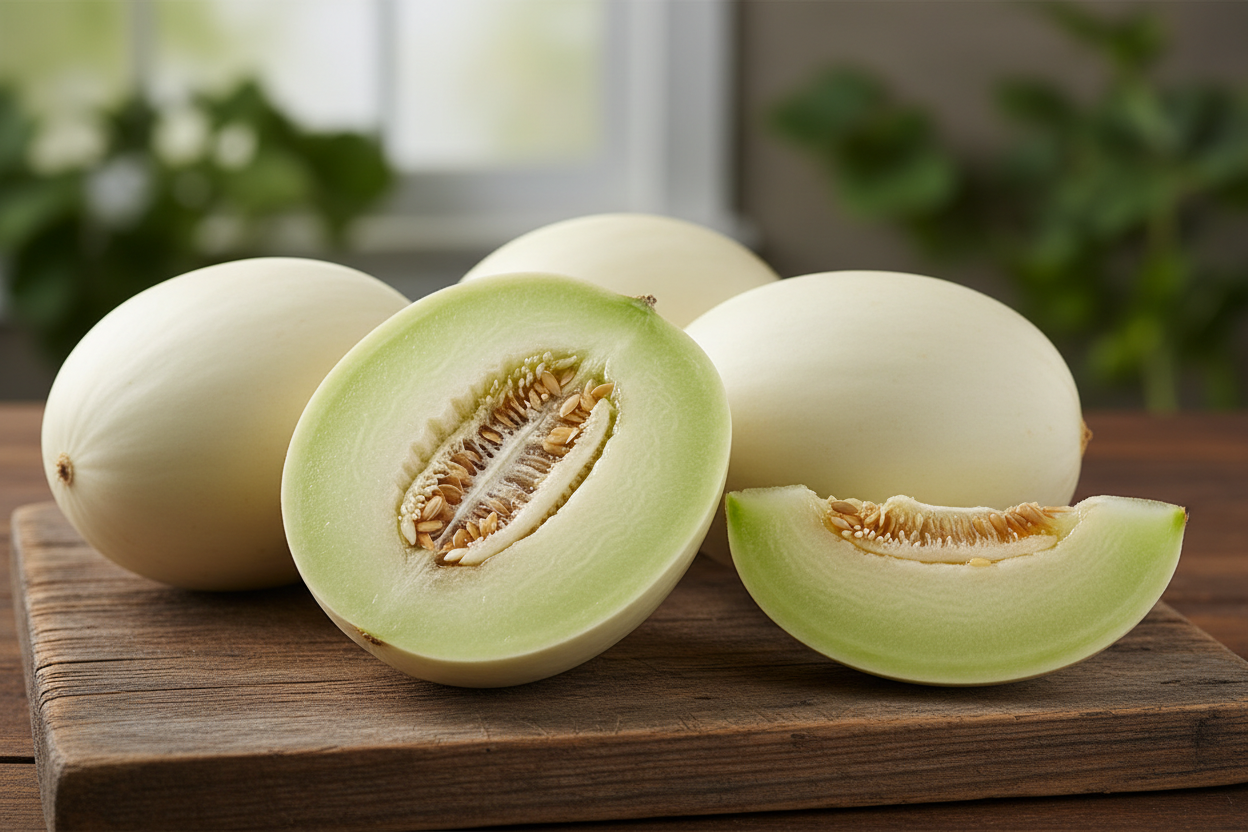
When growing doomsday melon seeds, it is important to know that there are about 6 cups of melon per melon. There are 34 calories in one cup of melon. One melon will produce about 200 calories. On a 2000 calorie a day diet, you would need to eat about 10 melons. Since melon has little fiber and is 90% water, you may be able to eat 10 a day. This is if all you had to eat were melons. Hopefully, you will have other things to eat.
Melons are pretty much the same color on the outside as you find in a store. Not much of a way to camouflage this by using color like you can with purple carrots, broccoli and tomatoes.
Melon is a warm weather crop. As soon as it turns cold, it stops producing. You would only have this during warm/hot weather. But it can be dried for eating at a later date.
A melon has about 100 seeds in it.
If all you had to eat were melons, you would need around 3650 melons. For seeds you would need around 200. You would need these to produce the 1/3 we have talked about: 1/3 for planting, 1/3 for next year and 1/3 for emergences and trading.
Let's say about 80% of your seeds will germinate. Each vine will produce 4 melons. 4000 melons / 4 = 1000 plants. A lot of work but do able if you needed it to survive on.
You would need to plant 1000 plants in order to have enough to eat and for your seed supply. Stagger planting so they do not all become ripe at once.
This would need to be grown on about 1 acre of land. This is do able. Water supply is something we will discuss later.
David's recomendations for growing doomsday melon seeds
For growing doomsday melon seeds, David recommends the following:
The Honeydew and the Casaba Golden Beauty.
The idea is you plant one of our packages. Let's assume that you get the Texas minimum germination rate which is 75%. There are 50 seeds to a pack x 75% which equals around 37 plants x 4 (you should be able to get at least 4 per plant) which equals 148 melons.
This leaves you some for eating and seed saving. You may even want to try drying some of the melon.
There are about 100 seeds in a melon. 100 seeds with a germination rate of 75%, (probably will be much higher), = 75 seeds. 75 seeds x 4 melons = 300 seeds. You save these and grow them the next year. In no time you will have your survival seed supply of 1000 seeds and all the seeds cost you was $2.96.
Melon seeds are easy to save. Scoop them out. Wash off the mucus. Put them on foil or wax paper to dry. When they dry put them in an airtight container and store around 75 degrees or less. Every couple of years you will want to change them out so you have a fresh supply.
Do not store all in the same place. Read this page for ideas: Protecting your Doomsday Supplies.
You can survive a doomsday event. But it requires planning, preparation and practice. The 3 P's.
Act Before You Need It
A doomsday garden takes time to grow. Start yours today so it’s ready when life gets unpredictable.
You can find the seeds you need at David's Garden Seeds.
Go to Doomsday Seed List from Growing Doomsday Melon Seeds
Subscribe to our Newsletter by filling out the form below.
Have A Great Story About This Topic?
Do you have some thoughts on what I have said? Feel free to share them. Be honest. If you think I am right, say so. If you think I am wrong, say so as well. If you have a specific question, email me at davidsgardenseeds@outlook.com.
Since 2009, over 1,500,000 home gardeners, all across the United States of America, have relied on David's Garden Seeds® to grow beautiful gardens. Trust is at the heart of it. Our customers know David's Garden Seeds® stocks only the highest quality seeds available. Our mission is to become your lifetime supplier of quality seeds. It isn't just to serve you once; we want to earn your trust as your primary supplier of seeds.