Growing Doomsday Mustard Greens Seeds
On this page can learn about Growing Doomsday Mustard Greens Seeds. This page gives details on nutrition and how to grow mustard greens seeds.
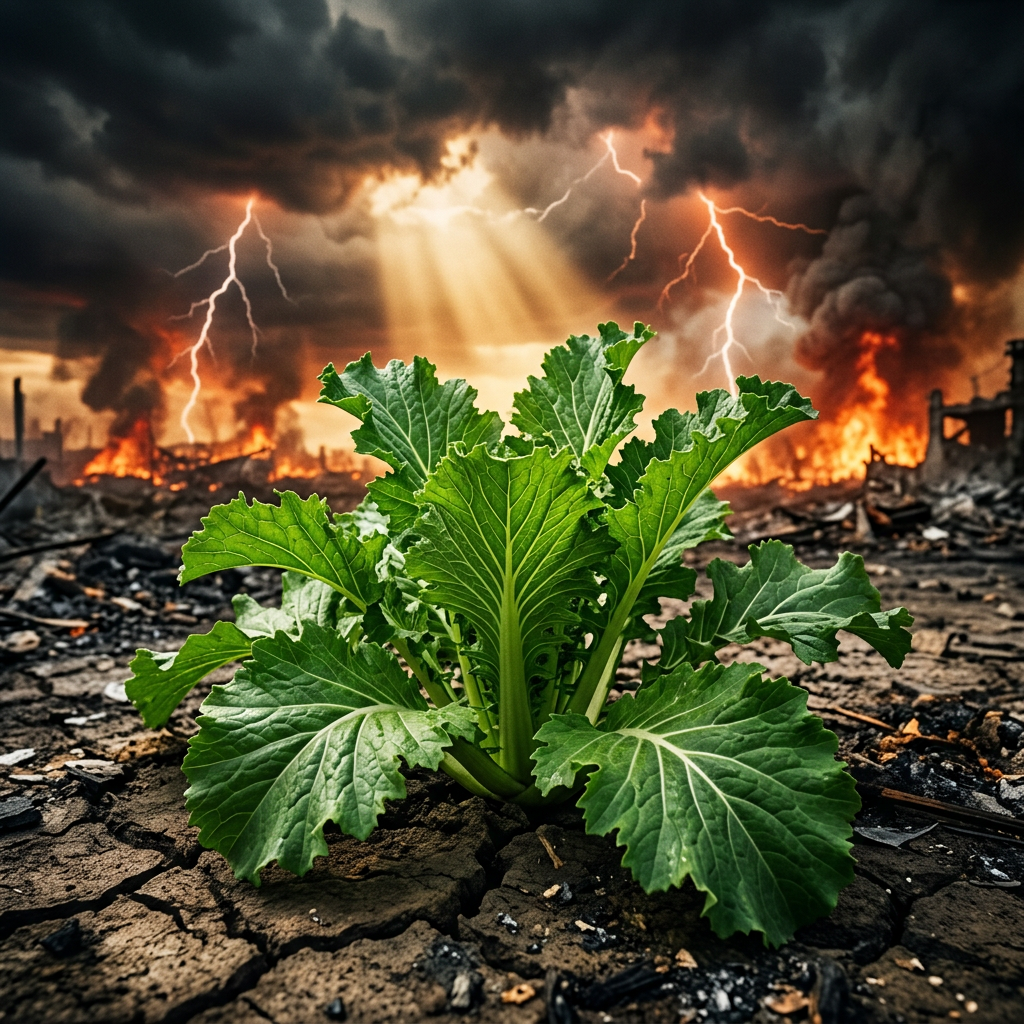
growing doomsday mustard greens seeds
Mustard greens are a fantastic choice for home gardeners who want to add a peppery, nutrient-rich leafy green to their kitchen. Whether you're a beginner or an experienced grower, mustard greens are forgiving, fast-growing, and rewarding. This guide will walk you through everything you need to know to grow vibrant mustard greens in your garden.
Mustard greens thrive in cool-season growing conditions, making them perfect for spring and fall gardens. You can direct seed them right into your garden bed or start seeds indoors and transplant seedlings later. Space seeds or seedlings about 6 to 12 inches apart, depending on the variety—closer spacing gives you smaller, tender leaves, while wider spacing produces larger plants.
Plant your seeds roughly a quarter-inch deep in well-draining soil rich in organic matter. Water gently after planting to keep the soil consistently moist until seedlings emerge, which typically takes 5 to 10 days.
Mustard greens prefer full sun to partial shade and grow best when temperatures stay between 50°F and 70°F. They're cold-hardy and can tolerate light frosts, making them ideal for Texas fall and early spring planting. Keep the soil consistently moist but not waterlogged—aim for about one inch of water per week through rainfall or irrigation.
Feed your mustard greens with a balanced, nitrogen-rich fertilizer every two to three weeks to encourage leafy growth. Mulching around plants helps retain soil moisture and keeps roots cool during warmer spells.
Most mustard green varieties are ready to harvest in 30 to 50 days, depending on the cultivar and growing conditions. You can pick individual outer leaves once plants reach 4 to 6 inches tall, or wait and harvest the entire plant by cutting it just above soil level. Continuous harvesting of outer leaves encourages the plant to produce more foliage.
For the most tender, mild leaves, harvest in the morning after dew has dried. Younger leaves tend to be less spicy, while mature leaves pack more of that classic mustard bite.
Mustard Greens Nutritional Information
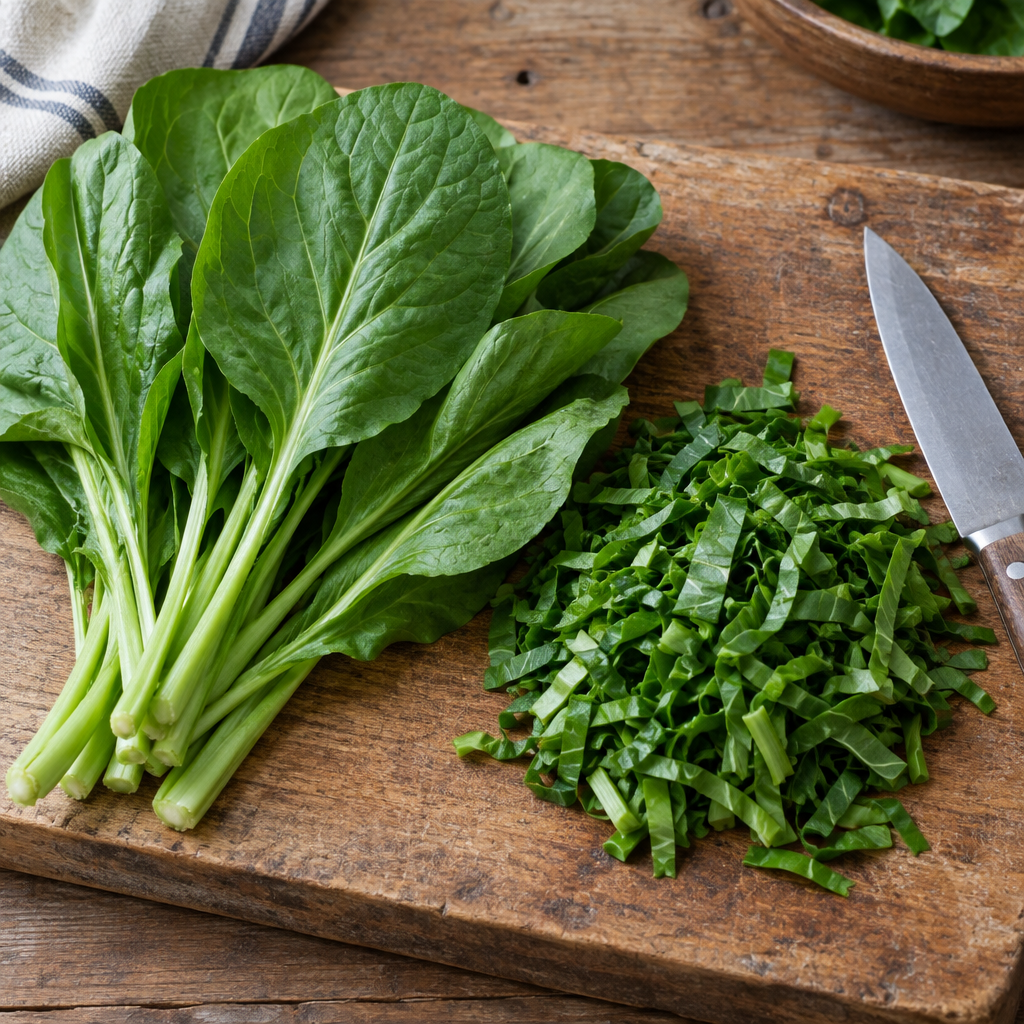
Mustard greens bring more than flavor to your plate. Their harvested leaves provide dietary fiber and a range of vitamins and minerals, making them a useful addition to a varied diet.
- Vitamin K: Supports normal blood clotting and contributes to bone health.
- Vitamin C: Supports normal immune function and helps the body absorb iron from plant foods.
- Vitamin A: Mustard greens contain provitamin A carotenoids, which the body can convert to vitamin A to support normal vision and immune function.
- Dietary fiber: Adds fiber to meals and supports normal digestive function.
- Minerals: The leaves contribute minerals such as calcium and potassium as part of a balanced diet.
This information applies to harvested mustard greens, not planting seeds. Nutrient amounts vary with variety, serving size, growing conditions, and preparation. This is general nutrition information, not a variety-specific laboratory analysis.
growing doomsday mustard greens seeds common problems
Flea beetles, which is small, black bug with a hard back shell, are the most common pest of mustard greens, feeding on young leaves and leaving behind numerous small, round holes. Severe damage can stunt or even kill young seedlings.
Aphids often gather on tender new growth, where they feed on plant sap. Small populations can usually be controlled with a strong spray of water, while heavier infestations may require insecticidal soap.
To prevent this, you will need to spray some of your hot pepper spray on the plant.
Downy mildew (Peronospora parasitica) develops in cool, damp conditions, causing yellow patches on the upper leaf surface and white, fuzzy growth underneath. Improve air circulation, avoid overhead irrigation, and promptly remove infected foliage. Preventive applications of copper-based fungicides may help reduce disease pressure.
The best way to combat this is to spray with your garlic spray. We will be putting up a recipe for this soon,
Bolting, which is what you want when producing seeds, is not caused by pests or disease but by warm temperatures and increasing day length. Once plants bolt, leaf quality and productivity decline rapidly.
One plant can produce about 10,000 seeds. More than enough to plant for next year and to have some for trading.
how much to grow when growing doomsday mustard greens seeds
There are about 15 calories per cup of mustard greens. On a 2000 calorie diet, this is 133 cups of mustard greens per day. It is not feasible to grow this amount in a doomsday event. You can grow it, eat it fresh, or dry it for later use. It will provide some spicy variety to your meals.
You can use the mustard green leaves as a wrap as a replacement for bread or tortillas,
1 plant a day for snacking and adding a spicy tanged to your meals. 365 plants a year. Keep in mind that this is for one person for one year.
You will want to practice the rule of 3rds that I have come up with. 1/3 of your seeds for planting,1/3 for hiding and 1/3 for trading or emergencies.
You Can Survive a doomsday event
You can survive but you will need to act before you need these skills.
You will need to put the 3 Ps into place: Planning, Preparation and Practice.
A doomsday garden takes time to grow. Start yours today so it’s ready when life gets unpredictable.
You can find the seeds you need at David's Garden Seeds.
Go to Seed Index from Growing Doomsday Mustard Greens Seeds
Since 2009, over 1,500,000 home gardeners, all across the United States of America, have relied on David's Garden Seeds® to grow beautiful gardens. Trust is at the heart of it. Our customers know David's Garden Seeds® stocks only the highest quality seeds available. Our mission is to become your lifetime supplier of quality seeds. It isn't just to serve you once; we want to earn your trust as your primary supplier of seeds.